
Understanding Galvanized Metal Buildings
What They Are, Why Customers Choose Them, and How They Compare to Red Iron
I. What Is a Galvanized Metal Building?
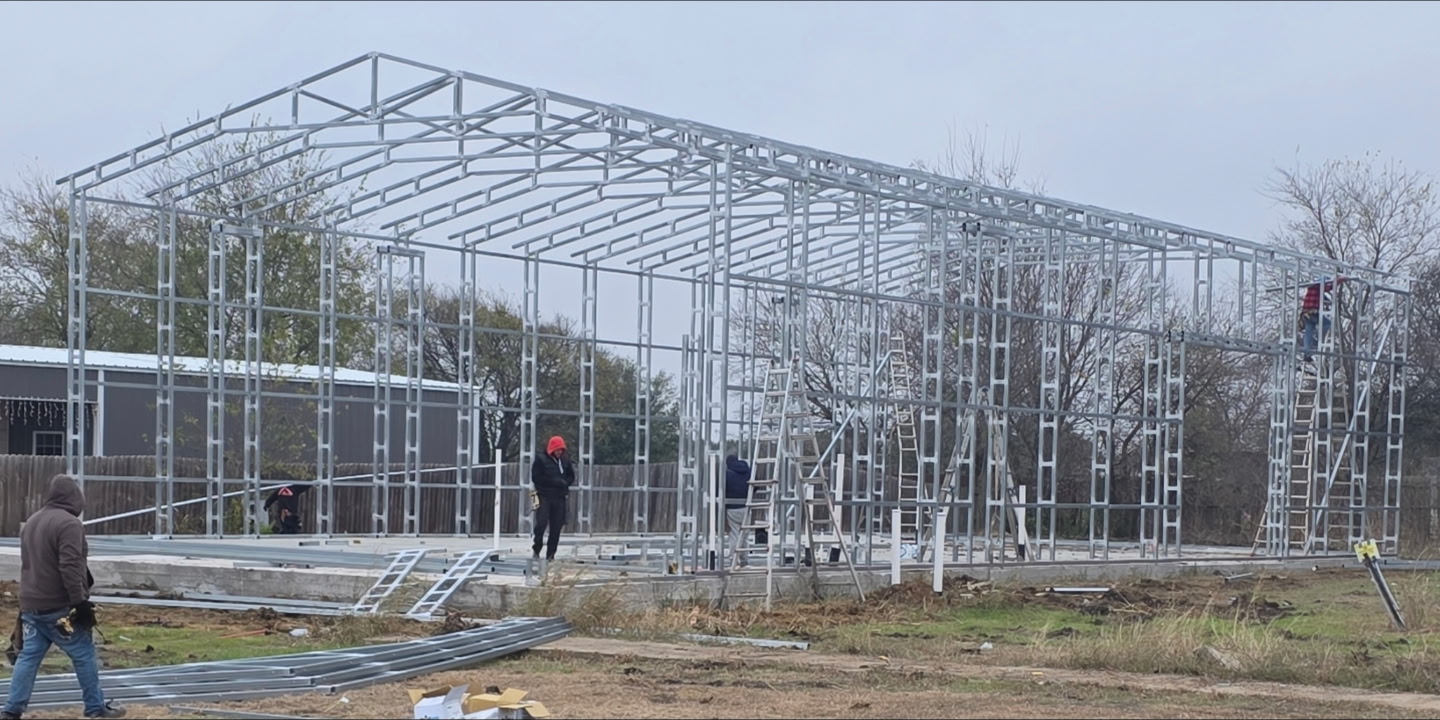
A galvanized metal building is a steel structure built using cold-formed, galvanized steel components. The steel is coated with a layer of zinc, which protects it from rust and corrosion.
These buildings typically use tubular or formed steel framing rather than heavy I-beams. Galvanized buildings are commonly used for garages, shops, barns, carports, storage buildings, and light commercial structures.
In simple terms:
Galvanized buildings are lightweight, corrosion-resistant, and efficient to build.
II. Why Customers Choose Galvanized Metal Buildings
Customers often choose galvanized buildings when they want a cost-effective, fast-to-install, and low-maintenance structure.
Common Reasons Customers Choose Galvanized Buildings:
Faster installation timelines
Lower upfront cost
Excellent rust resistance
Simple permitting in many areas
Ideal for residential and light commercial use
These buildings are popular with homeowners, small business owners, and agricultural users.
III. Major Advantages of Galvanized Metal Buildings
1. Corrosion Resistance
The zinc coating on galvanized steel protects the metal from rust, making it well-suited for:
Humid environments
Agricultural settings
Long-term outdoor exposure
This significantly extends the life of the structure.
2. Lightweight Structural System
Galvanized framing is lighter than red iron steel, which means:
Easier transportation
Faster erection
Less equipment required
This can reduce overall project time and labor costs.
3. Cost Efficiency
Because galvanized buildings use less steel and simpler framing, they typically cost less upfront than red iron structures.
Best for:
Smaller to mid-size buildings where extreme structural loads are not required.
4. Quick Installation
Many galvanized buildings are:
Pre-cut or pre-punched
Designed for bolt-together assembly
Installed in days instead of weeks
This is ideal for customers who need a building quickly.
5. Flexible Appearance Options
Modern galvanized buildings can be finished with:
Vertical or horizontal metal panels
Multiple color options
Wainscoting and trim packages
They no longer look like “temporary” buildings when properly finished.
IV. Structural Characteristics of Galvanized Buildings
Load Handling
Galvanized buildings are engineered to meet required:
Wind loads
Snow loads (where applicable)
However, they are generally intended for light to moderate structural demands, not heavy industrial loads.
Span Limitations
Compared to red iron, galvanized buildings typically:
Have shorter clear spans
May require interior supports on larger buildings
This is not a drawback — it’s simply a different design purpose.
V. Basic Differences: Galvanized Buildings vs. Red Iron Structures
Structural Steel Type
Galvanized Buildings: Cold-formed, zinc-coated steel
Red Iron Buildings: Heavy hot-rolled I-beam structural steel
Strength & Capacity
Galvanized: Excellent for residential and light commercial use
Red Iron: Designed for large spans, heavy loads, and industrial use
Cost & Complexity
Galvanized: Lower cost, simpler construction
Red Iron: Higher cost, more complex engineering
Installation Speed
Galvanized: Fast installation, minimal heavy equipment
Red Iron: Longer install time, cranes and specialized crews often required
Expansion & Modification
Galvanized: Limited expandability on larger buildings
Red Iron: Designed for future expansion and modification
VI. Which Building System Is Right?
Neither system is “better” — they are designed for different needs.
Galvanized buildings are ideal when:
Budget is a priority
The building size is moderate
Speed of installation matters
Corrosion resistance is critical
Red iron buildings are ideal when:
Large clear spans are needed
Heavy loads are expected
Long-term expansion is planned
The building is commercial or industrial
VII. Educational Takeaway
Understanding the differences between galvanized and red iron buildings helps property owners:
Choose the right structure the first time
Avoid overspending or underbuilding
Match the building system to the intended use
The best results come from selecting the right tool for the job, not the most expensive option.
Galvanized Metal Buildings vs. Red Iron Metal Buildings
| Category | Galvanized Metal Buildings | Red Iron Metal Buildings |
|---|---|---|
| Primary Steel Type | Cold-formed, zinc-coated (galvanized) steel | Hot-rolled structural I-beam steel |
| Corrosion Resistance | Excellent – zinc coating protects against rust | Very good – typically primed or painted |
| Typical Uses | Garages, shops, barns, carports, light commercial | Warehouses, large shops, self-storage, industrial |
| Structural Strength | Designed for light to moderate loads | Designed for heavy loads and extreme spans |
| Clear Span Capability | Limited on larger widths | Excellent – wide clear spans possible |
| Building Size Range | Small to mid-size structures | Mid-size to very large structures |
| Interior Columns | May be required on wider buildings | Often no interior columns needed |
| Engineering Requirements | Engineered when required by code | Often engineered, especially in cities |
| Installation Speed | Fast installation, minimal heavy equipment | Longer install, cranes often required |
| Upfront Cost | Lower initial cost | Higher initial investment |
| Long-Term Expandability | Limited on larger buildings | Designed for future expansion |
| Permitting Complexity | Simpler for residential & rural use | More complex, especially in municipalities |
| Best Fit For | Budget-conscious, speed-driven projects | Long-term, high-capacity projects |
🧠 Educational Takeaway
Galvanized and red iron buildings are engineered for different purposes.
Choosing the right system depends on:
Building size
Intended use
Structural demands
Budget
Future plans
Selecting the appropriate system helps ensure performance, longevity, and value.
Copyright 2026 | RampUp Metal Buildings