
Building a Metal Building
in Central Texas Starts with
a Process - Not the Price
Metal barns, shops, barndominiums, and small commercial buildings are permit-driven, engineered projects.
We help Central Texas property owners understand how the process actually works — before costly decisions are made.
Building a Metal Building in Central Texas Starts with a Process - Not the Price
Metal barns, shops, barndominiums, and small commercial buildings are permit-driven, engineered projects.
We help Central Texas property owners understand how the process actually works — before costly decisions are made.
You're in the Right Place!
We help property owners understand how the process actually works — from permits and engineering to concrete and coordination — so they can move forward with confidence.
If you’re trying to do this the right way, you’re in the right place.
Who This Is For
This resource is designed for property owners who are:
Building in Central Texas (Austin–Temple–Waco corridor)
Planning a metal barn, shop, barndominium, or small commercial building
Early in the planning phase or trying to avoid mistakes
Interested in doing it once — and doing it right
This is not a price list.
It’s a planning and guidance resource.
Who This Guide Is For
Property owners building in Central Texas (Austin–Temple–Waco corridor)
Planning a metal barn, shop, barndominium, or small commercial building
Early in the planning phase or correcting a stalled project
Interested in doing it once — and doing it right

Why Metal Building Projects Get Stuck
Most delays don’t happen because counties are difficult.
They happen because steps are done out of order.
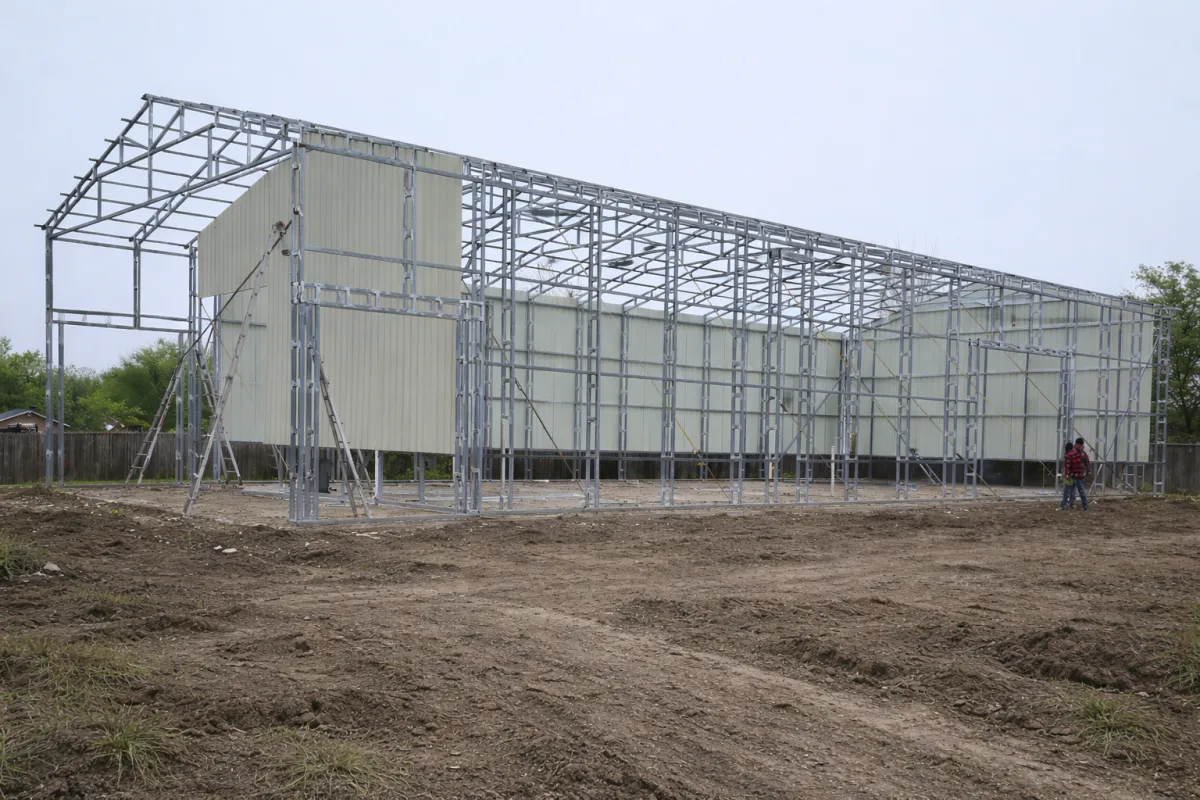
Steel is ordered before permit requirements are known
Concrete is poured before engineering is finalized
Slab plans don’t match steel drawings
Wind or load ratings are incorrect
Barndominiums are treated like barns
These issues are preventable when the process is followed correctly — from the start.
County-Specific Permit Guidance
Each Central Texas county handles metal building permits differently.
Some require:
Additional wind certifications
Soil or geotechnical reports
Engineer review letters
Separate slab and structure submittals
About RampUp Metal Buildings
RampUp Metal Buildings serves Central Texas property owners with engineered metal building systems for:
Agricultural buildings
Residential & barndominiums
Commercial & light industrial structures
We work with:
Red iron and galvanized steel systems
Permit-driven projects
Coordinated steel and concrete planning
No hype. No pricing. No pressure.
Just clear guidance from people who respect the process.
RampUp Metal Buildings is part of the RampUp family of companies.
Our Approach
We don’t start with price.
We start with understanding the process.
Understand permit expectations
Coordinate steel and concrete correctly
Avoid costly redesigns and delays
Plan for future use
Keep projects moving in the right sequence
Most people don’t start metal building projects because they’re experts — they start because they have a need.
We’re here to guide the process clearly and calmly.
Metal Building Permit Starter Kit
What Property Owners Need to Know Before Building
This guide is written for property owners — not engineers — and is designed to set expectations before decisions are made.
What is in the kit?
Red Iron vs. Galvanized Steel (Texas reality)
Permit requirements in Central Texas counties
Wind and load ratings
Concrete, soil, and slab planning
Barndominiums and mixed-use considerations
Common mistakes that cost time and money
A realistic timeline from dirt to doors
County-Specific Permit Guidance
Each Central Texas county handles metal building permits differently.
Some require:
Additional wind certifications
Soil or geotechnical reports
Engineer review letters
Separate slab and structure submittals
Metal Building Permit Starter Kit
What Property Owners Need to Know Before Building
This guide is written for property owners — not engineers — and is designed to set expectations before decisions are made.
What is in the kit?
Red Iron vs. Galvanized Steel (Texas reality)
Permit requirements in Central Texas counties
Wind and load ratings
Concrete, soil, and slab planning
Barndominiums and mixed-use considerations
Common mistakes that cost time and money
A realistic timeline from dirt to doors
Frequently Asked Question
Is this a pricing page?
No.
This is a planning and guidance resource, not a price list. Metal building projects in Central Texas are permit-driven and engineered, so pricing without understanding the process often leads to costly mistakes later.
Why can’t I just pick a building size and order it?
Because metal buildings are engineered, permit-driven structures. Counties have specific requirements for wind ratings, loads, and documentation. Ordering steel before those requirements are known often leads to redesigns, delays, or rejected permits.
Does this apply to barndominiums as well as barns or shops?
Yes — and this is especially important for barndominiums. Mixed-use and residential metal buildings are often subject to additional codes and reviews compared to agricultural structures. Treating a barndominium like a simple barn is a common cause of delays.
Why do so many metal building projects get delayed?
Most delays don’t happen because counties are difficult.
They happen because steps are done out of order, such as:
❌ Ordering steel before permit requirements are known
❌ Pouring concrete before engineering is finalized
❌ Slab plans not matching steel drawings
❌ Incorrect wind or load ratings
❌ Treating barndominiums like agricultural barns
Following the correct sequence from the start prevents these issues.
Why does the process matter more than the price?
Because metal buildings are engineered systems, not off-the-shelf products.
Permits, wind loads, soil conditions, and building use all affect:
➡️ Engineering requirements
➡️ Concrete design
➡️ County approvals
➡️ Long-term performance and compliance
Starting with price instead of process often leads to redesigns, delays, and added cost.
Do permit requirements vary by county in Central Texas?
Yes—significantly.
Depending on the county, you may need:
➡️ Additional wind certifications
➡️ Soil or geotechnical reports
➡️ Engineer review letters
➡️ Separate slab and structure submittals
Understanding county-specific expectations early keeps projects moving.
What is the Metal Building Permit Starter Kit?
It’s a free planning guide written for property owners—not engineers—designed to set realistic expectations before decisions are made.
What’s included in the Permit Starter Kit?
The kit covers:
☑️ Red iron vs. galvanized steel (Texas realities)
☑️ Central Texas permit requirements
☑️ Wind and load ratings
☑️ Concrete, soil, and slab planning
☑️ Barndominiums and mixed-use considerations
☑️ Common mistakes that cost time and money
☑️ A realistic timeline from dirt to doors
Serving Central Texas
Information provided for general guidance only. Local requirements vary by jurisdiction.
